
.jpg)
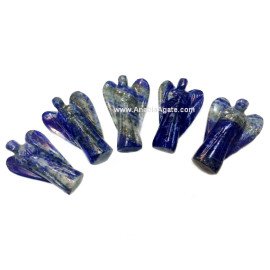
In ancient times, lapis lazuli, a deep blue stone, was extremely valuable because of its instantaneous color. It is also widely known by the name Lapiz. The stone is a variegated gemstone that is often times used in various art forms such as sculpture, mosaics, and inlay, and in geology, organic minerals may be rocks that are denser than others. The truth about that is that Lapis Lazuli’’s history, not only in art but also in writing and the science of mineralogy, where it forms from the interaction of the substance with the environment, is no news. Therefore, it is quite impossible for this stone to deprive us of all the sensory memories, which are thus evoked through all of the five senses.
Meaning and Significance:
- The wisdom of lapis lazuli, which usually goes hand in hand with truth and enlightenment, is the main quality of this stone. Lapis lazuli was used symbolically in many cultures, and one of the usages was to symbolize royalty.
- The Egyptians were of the belief that lapis lazuli grants them safekeeping, good destiny, and self-awareness. Besides, they used it through gems and jewelry, and it was associated with the afterlife.
- In some traditional contexts, the stone is widely regarded as a bridge to the gods and to the sky and as a psychic stimulator for the manifestation of one’s desire to know something, which is the basic concept of truth and awareness. Aside from the theme of.
Uses of Lapis Lazuli:
- Not too long ago, lapis lazuli was a very significant jewelry item. Beads, cabochons, and carved ornaments were its most common uses, but it was also used as a pigment for paint and cosmetics and as decorative art.
- Lapis lazuli is used in spiritual practices and meditation to enhance inner sight, intuition, and self-awareness in addition to its association with wisdom and truth.
- Some people dream of having such creativity, mental clarity, and a deeper understanding of the world and themselves.
Properties of Lapis Lazuli:
- The lazurite mineral, which makes up the majority of lapis lazuli, is what gives it its stunning deep blue hue, golden pyrite inclusions, and white calcite veins.
- With a Mohs hardness of 5 to 5.5, this stone is extremely delicate and easily scratched by other objects.
- Lapis lazuli is typically polished to improve its color, but occasionally chemicals are used to improve its appearance.
Remember that although lapis lazuli is prized for its spiritual and historical significance, its applications and meanings can differ depending on personal beliefs and cultural customs.



Leave your comment
Note: HTML is not translated!